
Registering as an organ donor is free, takes only a few minutes, and could one day save or transform someone else's life.
Become a donor.
One simple decision. A lifetime of impact.


Why Register?
Every registered donor gives hope.
While only a small percentage of people will be eligible to become organ donors after death, registering ensures your wishes are known and allows you to help others if the circumstances ever allow.
One donor can:
Save up to 8 lives through organ donation.
Improve dozens more through tissue donation.
Give families hope during unimaginable circumstances.
Leave a legacy that lives far beyond your own lifetime.
It's simple. It's free. It changes lives.
How To Become A Donor
01
Register Online
Visit your state's organ donor registry and record your decision.
02
Say "Yes" at the DMV
When applying for or renewing your driver's licence, simply select the organ donor option.
03
Tell Your Family
Have an open conversation about your decision so your loved ones understand your wishes.

Am I Old Enough?
Your age determines how your decision is recorded.
Ages 15–17
You can register your wish to become an organ donor when obtaining your learner's permit or driver's license.
Because you're still a minor, your parent or legal guardian makes the final legal decision if donation becomes possible before you turn 18.
18 And Older
Once you're 18, your decision to register as an organ donor is legally recognized in most states and cannot generally be overridden by family members.
Your choice becomes your legacy.
Living Donation
You don't have to wait until the end of your life to help someone else.
Some organs and tissues can be donated while you're alive.
Living donors commonly donate:
One kidney
Part of their liver
Bone marrow
Other tissues in certain circumstances
Living donation requires careful medical evaluation to ensure it's safe for both the donor and recipient.
If you're interested, contact a transplant centre to learn more about the screening process.
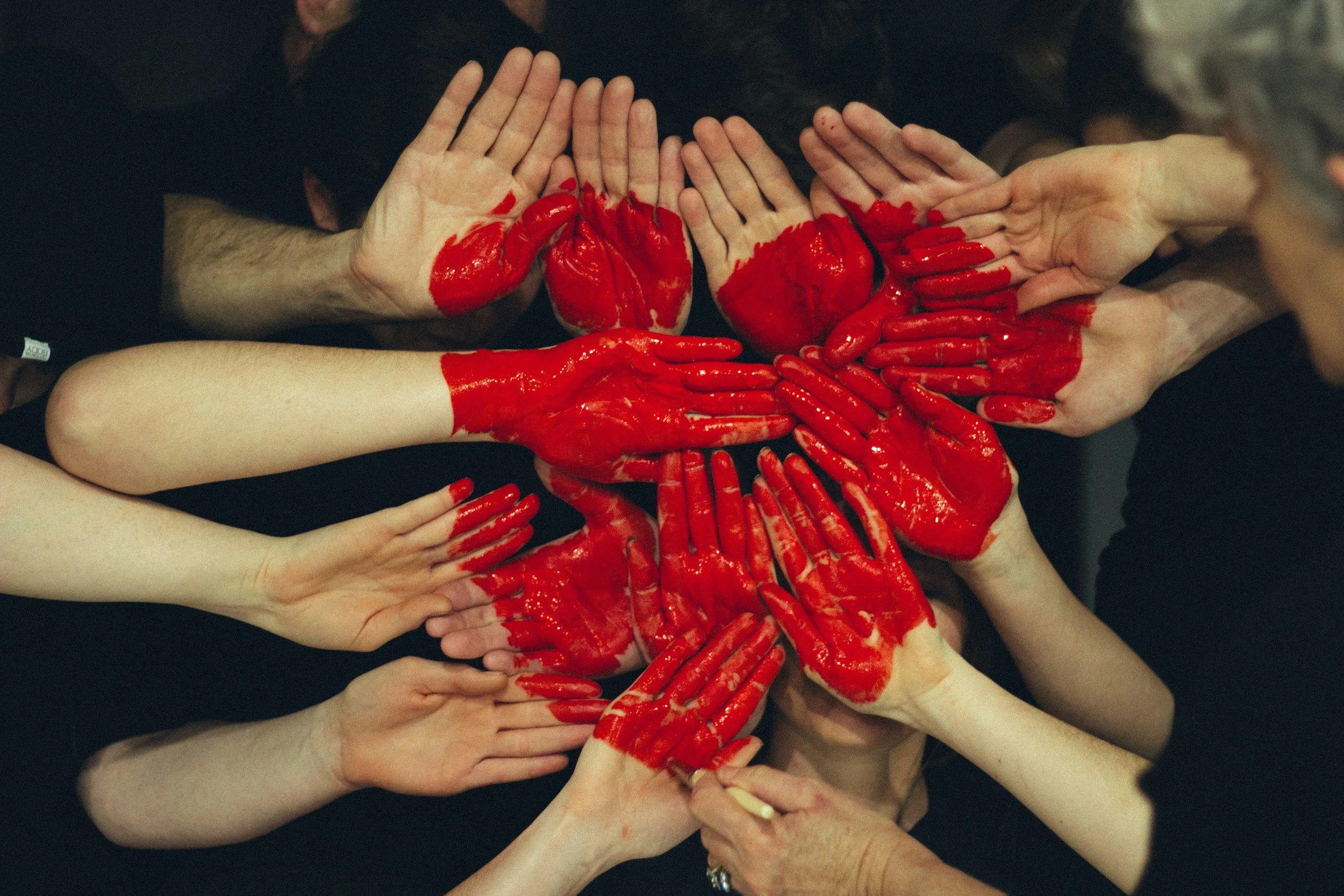

Who Can Become A Donor? Almost everyone.
People of every age, background and ethnicity are encouraged to register.
You don't have to decide whether you're medically eligible.
Medical professionals make that decision at the time of donation.
Don't rule yourself out because of your age, medical history, or lifestyle.
Register first.
The experts will determine what can be donated if the opportunity ever arises.
Before you Register, Have the Conversation.
One of the most important things you can do after registering is tell your family.
Although your registration records your wishes, letting your loved ones know why you've made your decision helps them feel confident honoring it if the time ever comes.
A simple conversation today can make an incredibly difficult moment a little easier tomorrow.

Ready To Leave A Legacy?
The families who helped me will never know the life they gave back to me. But every time I step onto a baseball field, every walk I take, and every goal I achieve is part of their legacy. One day, your decision could become someone else's second chance.